Buy campingmap.net ?
We are moving the project
campingmap.net .
Are you interested in purchasing the domain
campingmap.net ?
domain@kv-gmbh.de · 0541-91531010
Buy campingmap.net ?
Is computer science a natural science?
Computer science is not considered a natural science, but rather a formal science. Natural sciences, such as biology, chemistry, and physics, study the natural world and its phenomena. In contrast, computer science focuses on the study of algorithms, data structures, and the design and analysis of computational systems. While computer science may draw on principles from mathematics and engineering, it is not classified as a natural science. **
Is computer science or a computer science degree future-proof?
Computer science as a field is considered to be future-proof due to its ever-evolving nature and its relevance in various industries. A computer science degree provides a strong foundation in problem-solving, critical thinking, and technical skills that are highly sought after in today's digital world. With the increasing reliance on technology and the continuous advancements in the field, individuals with a computer science degree are likely to have a wide range of career opportunities and job security in the future. **


Similar search terms for Computer Science
Top-Angebote
Products related to Computer Science:
-
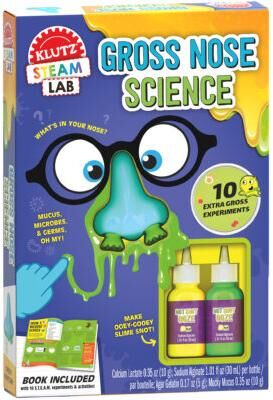
Klutz: Gross Nose ScienceSqueeze slimy snots through a soft and squishy nose! Explore ten different experiments on sinus-based anatomy, make sense of scents with the power of smell, and even whip up a batch of boogers! Learn how snot, mucus, and nose hairs protect your...24,99 $*Shipping: 0,00 $Secure redirect to the provider
-
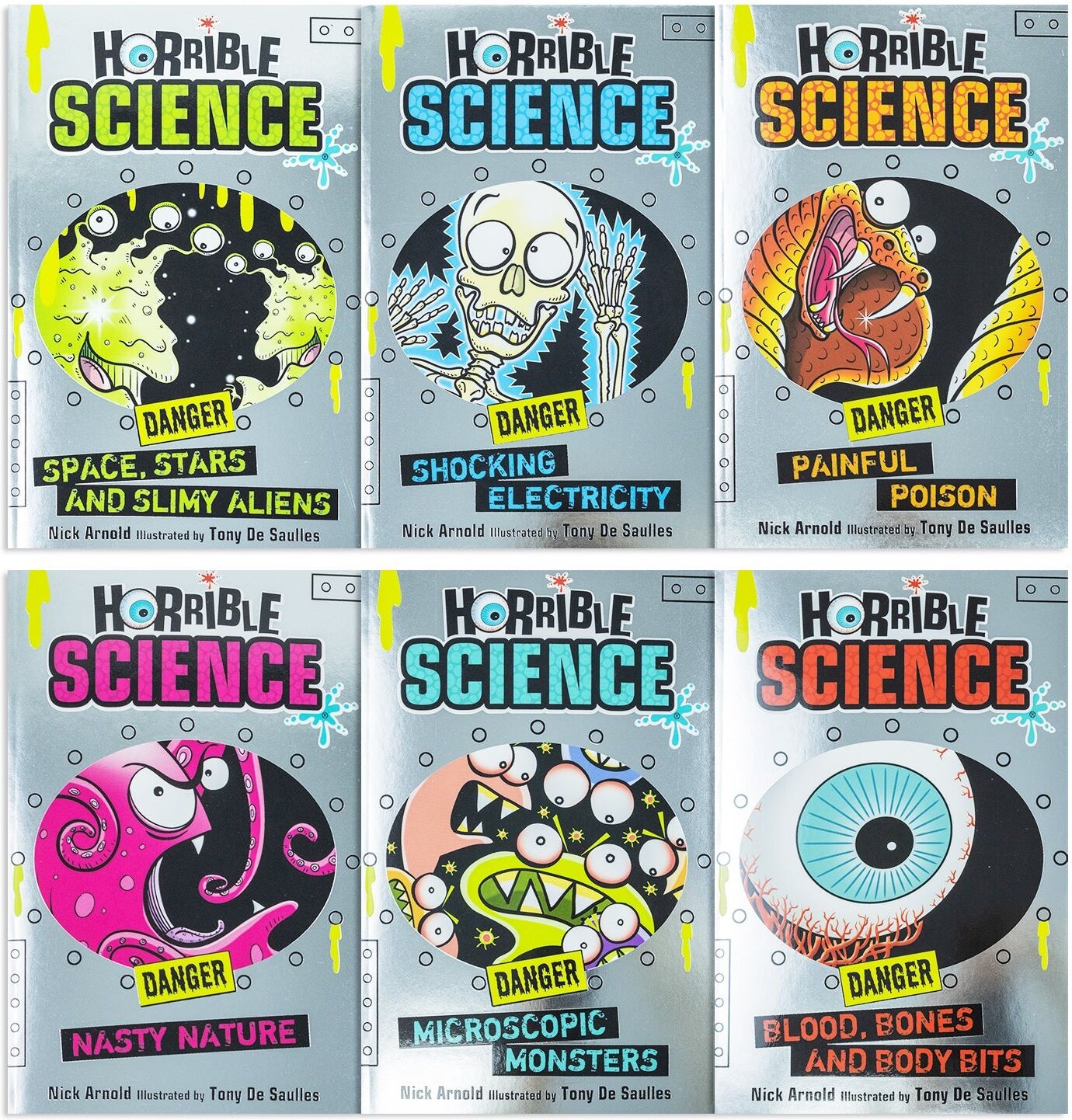
Scholastic Horrible Science 6 Books Collection Set by Nick Arnold – Educational Science Collection for KidsHorrible Science Collection 6 Books Set by Nick Arnold (Blood Bones and Body Bits, Microscopic Monsters, Nasty Nature, Painful Poison, Shocking Electricity, Space Stars and Slimy Aliens) Blood, Bones and Body Bits: Peek inside to discover all the squishy secrets of your body – including the nasty bits nobody wants to tell you! Find out what happens when a boil bursts (ugh) See what lives in your eyelashes (ewwwww) Gulp at the workings of your disgusting digestion (enough now...) And discover why corpses need haircuts even after they’re dead (blergh) Microscopic Monsters: Look down your microscope and dare to discover the terribly teeny world of Microscopic Monsters. Discover what makes our guts a brilliant home for bacteria, how germs make dead bodies explode and which creature lays its eggs between our toes. Nasty Nature: All the animals in HORRIBLE SCIENCE: NASTY NATURE are the deadliest, most disgusting and nastiest things that nature has to offer! So only read on if you're ready to find out: how vampire bats slurp blood, what a singing gorilla sounds like, how to dodge a man-eating tiger and which Japanese fish dish can kill you. Painful Poison: Get ready for a deadly dose of excitement with the petrifying Painful Poison. It's bubbling with killer substances that are strictly not for the nervous - and will have all kinds of evil effects on you. Discover how you can turn your brother into a zombie slave and why you are breathing poison right now! Shocking Electricity: Horrible Science: Shocking Electricity is packed with sizzling zap-filled facts to electrify every reader. Children can find out about the scientist who gave electric shocks to his eyeballs, that lightning can strike you with heat five times hotter than the sun and much more besides! Space, Stars and Slimy Aliens: Zoom to the stars with Oddblob the alien, and take part in a spacewalk that's out of this world and learn what the moon smells like. Find out all the horrible facts about space like which astronomers killed people and why space makes your guts explode!8,50 £*Shipping: 2,99 £Secure redirect to the provider
-
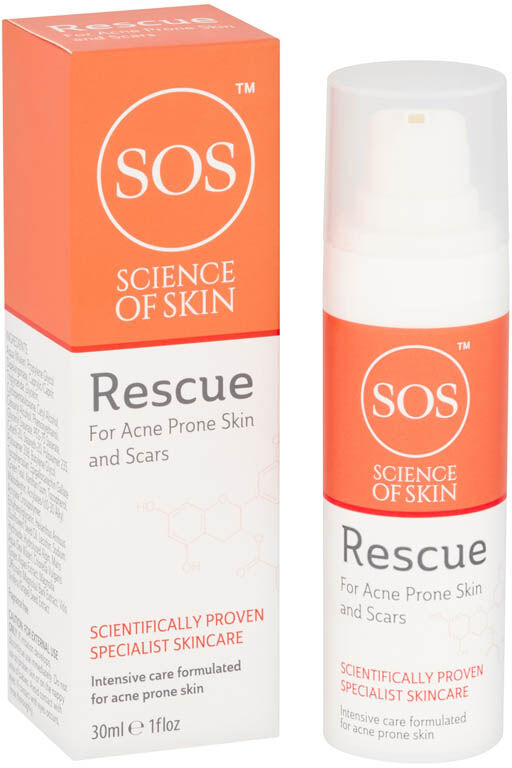
Science of Skin Rescue No.One 30mlScience of Skin Rescue No.One is scientifically proven to reduce and soothe redness and scarring. Specially formulated to combat redness, scarring produced by acne, spots and blemishes with active key ingredient green tea extract (EGCG). Ingredients Aqua (Water), Dipropylene Glycol Diperlargonate, Caprylic/Capric Triglyceride, Glycerin, Cyclopentasiloxane, Cetyl Alcohol, Cetearyl Alcohol, Phenoxyethanol, Glyceryl Stearate, PEG-75Stearate, Ceteth-20, Steareth-20, Poloxamer 235, Poloxamer 338, Butylene Glycol, Tocophersolan, Epigallocatechin Gallate (Green Tea), Xanthan Gum, Tocopherol, Maltodextrin, Acrylates/C10-30 Alkyl Acrylate Crosspolymer, Ethylhexylglycerin, Helianthus Annuus (Sunflower) Seed Oil, Lecithin, Sodium Hydroxide, Hydrolyzed Algin, Maris Aqua (Sea Water), Chlorella Vulgaris (Green Algae) Extract, Magnolia Officinalis (Magnolia) Bark Extract, Vitis Vinifera (Grape) Seed Extract.21,99 £*Shipping: 2,95 £Secure redirect to the provider
-
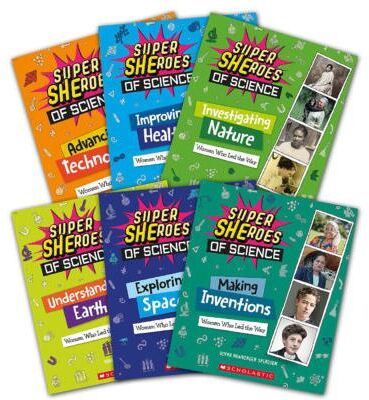
Super SHEroes of Science Value PackThis brand-new series highlights some of the major contributions women have made in the world of science.This set includes:Super SHEroes of Science: Advancing TechnologySuper SHEroes of Science: Exploring SpaceSuper SHEroes of Science: Improving...40,74 $*Shipping: 0,00 $Secure redirect to the provider
-
What are the differences between computer science and applied computer science?
Computer science is a broad field that focuses on the theoretical foundations of computation and information processing, including algorithms, data structures, and programming languages. On the other hand, applied computer science is more focused on the practical application of computer science principles to solve real-world problems. Applied computer science often involves working with specific technologies and tools to develop software applications, systems, or solutions for specific industries or domains. In summary, computer science is more theoretical and foundational, while applied computer science is more practical and focused on real-world applications. **
-
What are the differences between Computer Science and Applied Computer Science?
Computer Science is a broad field that focuses on the theoretical foundations of computation and algorithms, as well as the design and development of software and hardware systems. On the other hand, Applied Computer Science is more focused on the practical application of computer science principles to solve real-world problems. Applied Computer Science often involves working on specific projects or applications, while Computer Science may involve more theoretical research and study. Additionally, Applied Computer Science may require a deeper understanding of specific industries or domains in order to effectively apply computer science concepts. **
-
What is the difference between applied computer science and computer science?
Computer science is a broad field that encompasses the study of algorithms, data structures, programming languages, and the theoretical foundations of computing. It focuses on the principles and theories behind computing systems. On the other hand, applied computer science is the practical application of computer science principles to solve real-world problems. It involves using the knowledge and skills gained from computer science to develop software, design systems, and create solutions for specific applications in various industries. Applied computer science often involves a more hands-on, practical approach to using computer science concepts in real-world scenarios. **
-
Is computer science or engineering computer science, where is math harder?
Computer science and engineering both require a strong foundation in math, but the level of difficulty may vary depending on the specific focus of the program. In computer science, the math requirements often include discrete mathematics, algorithms, and probability theory, which can be challenging for some students. On the other hand, engineering computer science may involve more applied mathematics, such as calculus, differential equations, and linear algebra, which can also be quite demanding. Ultimately, the level of difficulty in math will depend on the individual's strengths and interests in the specific areas of computer science or engineering. **

What is the difference between specialized computer science and computer science?
Specialized computer science refers to a focused area within the broader field of computer science, such as artificial intelligence, cybersecurity, or data science. It involves in-depth study and expertise in a specific aspect of computer science. On the other hand, computer science encompasses a wide range of topics including programming, algorithms, software development, and computer systems. It provides a comprehensive understanding of the principles and theories that underpin computing technology. In summary, specialized computer science delves into a specific area of expertise within the broader field of computer science. **
'Computer Science or Biology?'
Choosing between Computer Science and Biology ultimately depends on your interests and career goals. If you enjoy problem-solving, logic, and working with technology, Computer Science may be the better fit for you. On the other hand, if you are passionate about living organisms, the environment, and healthcare, Biology could be the more suitable choice. Consider your strengths, interests, and long-term career aspirations to make an informed decision between the two fields. **
Top-Angebote
Products related to Computer Science:
-
ModernMart Adventure Waterproof Compass Watch For Hiking Navigation And Outdoor Survival Adventure Waterproof Compass Watch For Hiking Navigation And Outdoor SurvivalNever lose your sense of direction, even in the wild. This compass watch is built for explorers, hikers, and outdoor enthusiasts who need reliable navigation on the go. Designed as a rugged outdoor survival watch, it combines precision direction...79,97 $*Shipping: 0,00 $Secure redirect to the provider
-
Garmin Edge Explore 2 Standard Edition GPS Bike Computer 3 Inch Touchscreen Maps Turn-by-Turn Navigation 16hr Battery - BlackThe Garmin Edge Explore 2 is a dedicated GPS cycling computer designed to make exploring new routes easier and more enjoyable. Its bright 3-inch colour touchscreen provides clear navigation information while the simple interface makes it easy to view maps, ride data and route guidance while cycling. Built-in GPS, GLONASS and Galileo satellite systems provide accurate positioning for navigation and route recording. The device includes cycling-specific navigation features and supports route creation through compatible services including Garmin Connect, Strava, Komoot and Wikiloc. The Edge Explore 2 features 16GB of internal storage and can store up to 100 courses, 200 waypoints and up to 200 hours of activity history. Its touchscreen display has a 240 x 400 pixel resolution and provides an easy way to interact with maps and ride information. Wireless connectivity includes Bluetooth and ANT+ for compatible sensors and smartphones. When paired with a compatible smartphone, the Edge Explore 2 can provide smart notifications, weather information, LiveTrack and other connected features. With a rechargeable lithium-ion battery providing up to 16 hours of use and battery saver mode extending operation to up to 24 hours, the Edge Explore 2 is suited to longer rides. Its IPX7 water resistance and compact 104g design make it practical for everyday cycling and outdoor adventures.178,49 £*Shipping: 0,00 £Secure redirect to the provider
-
Klutz: Gross Nose ScienceSqueeze slimy snots through a soft and squishy nose! Explore ten different experiments on sinus-based anatomy, make sense of scents with the power of smell, and even whip up a batch of boogers! Learn how snot, mucus, and nose hairs protect your...24,99 $*Shipping: 0,00 $Secure redirect to the provider
-
Scholastic Horrible Science 6 Books Collection Set by Nick Arnold – Educational Science Collection for KidsHorrible Science Collection 6 Books Set by Nick Arnold (Blood Bones and Body Bits, Microscopic Monsters, Nasty Nature, Painful Poison, Shocking Electricity, Space Stars and Slimy Aliens) Blood, Bones and Body Bits: Peek inside to discover all the squishy secrets of your body – including the nasty bits nobody wants to tell you! Find out what happens when a boil bursts (ugh) See what lives in your eyelashes (ewwwww) Gulp at the workings of your disgusting digestion (enough now...) And discover why corpses need haircuts even after they’re dead (blergh) Microscopic Monsters: Look down your microscope and dare to discover the terribly teeny world of Microscopic Monsters. Discover what makes our guts a brilliant home for bacteria, how germs make dead bodies explode and which creature lays its eggs between our toes. Nasty Nature: All the animals in HORRIBLE SCIENCE: NASTY NATURE are the deadliest, most disgusting and nastiest things that nature has to offer! So only read on if you're ready to find out: how vampire bats slurp blood, what a singing gorilla sounds like, how to dodge a man-eating tiger and which Japanese fish dish can kill you. Painful Poison: Get ready for a deadly dose of excitement with the petrifying Painful Poison. It's bubbling with killer substances that are strictly not for the nervous - and will have all kinds of evil effects on you. Discover how you can turn your brother into a zombie slave and why you are breathing poison right now! Shocking Electricity: Horrible Science: Shocking Electricity is packed with sizzling zap-filled facts to electrify every reader. Children can find out about the scientist who gave electric shocks to his eyeballs, that lightning can strike you with heat five times hotter than the sun and much more besides! Space, Stars and Slimy Aliens: Zoom to the stars with Oddblob the alien, and take part in a spacewalk that's out of this world and learn what the moon smells like. Find out all the horrible facts about space like which astronomers killed people and why space makes your guts explode!8,50 £*Shipping: 2,99 £Secure redirect to the provider
-
Is computer science a natural science?
Computer science is not considered a natural science, but rather a formal science. Natural sciences, such as biology, chemistry, and physics, study the natural world and its phenomena. In contrast, computer science focuses on the study of algorithms, data structures, and the design and analysis of computational systems. While computer science may draw on principles from mathematics and engineering, it is not classified as a natural science. **
-
Is computer science or a computer science degree future-proof?
Computer science as a field is considered to be future-proof due to its ever-evolving nature and its relevance in various industries. A computer science degree provides a strong foundation in problem-solving, critical thinking, and technical skills that are highly sought after in today's digital world. With the increasing reliance on technology and the continuous advancements in the field, individuals with a computer science degree are likely to have a wide range of career opportunities and job security in the future. **
-
What are the differences between computer science and applied computer science?
Computer science is a broad field that focuses on the theoretical foundations of computation and information processing, including algorithms, data structures, and programming languages. On the other hand, applied computer science is more focused on the practical application of computer science principles to solve real-world problems. Applied computer science often involves working with specific technologies and tools to develop software applications, systems, or solutions for specific industries or domains. In summary, computer science is more theoretical and foundational, while applied computer science is more practical and focused on real-world applications. **
-
What are the differences between Computer Science and Applied Computer Science?
Computer Science is a broad field that focuses on the theoretical foundations of computation and algorithms, as well as the design and development of software and hardware systems. On the other hand, Applied Computer Science is more focused on the practical application of computer science principles to solve real-world problems. Applied Computer Science often involves working on specific projects or applications, while Computer Science may involve more theoretical research and study. Additionally, Applied Computer Science may require a deeper understanding of specific industries or domains in order to effectively apply computer science concepts. **
Similar search terms for Computer Science
-
Science of Skin Rescue No.One 30mlScience of Skin Rescue No.One is scientifically proven to reduce and soothe redness and scarring. Specially formulated to combat redness, scarring produced by acne, spots and blemishes with active key ingredient green tea extract (EGCG). Ingredients Aqua (Water), Dipropylene Glycol Diperlargonate, Caprylic/Capric Triglyceride, Glycerin, Cyclopentasiloxane, Cetyl Alcohol, Cetearyl Alcohol, Phenoxyethanol, Glyceryl Stearate, PEG-75Stearate, Ceteth-20, Steareth-20, Poloxamer 235, Poloxamer 338, Butylene Glycol, Tocophersolan, Epigallocatechin Gallate (Green Tea), Xanthan Gum, Tocopherol, Maltodextrin, Acrylates/C10-30 Alkyl Acrylate Crosspolymer, Ethylhexylglycerin, Helianthus Annuus (Sunflower) Seed Oil, Lecithin, Sodium Hydroxide, Hydrolyzed Algin, Maris Aqua (Sea Water), Chlorella Vulgaris (Green Algae) Extract, Magnolia Officinalis (Magnolia) Bark Extract, Vitis Vinifera (Grape) Seed Extract.21,99 £*Shipping: 2,95 £Secure redirect to the provider
-
Super SHEroes of Science Value PackThis brand-new series highlights some of the major contributions women have made in the world of science.This set includes:Super SHEroes of Science: Advancing TechnologySuper SHEroes of Science: Exploring SpaceSuper SHEroes of Science: Improving...40,74 $*Shipping: 0,00 $Secure redirect to the provider
-
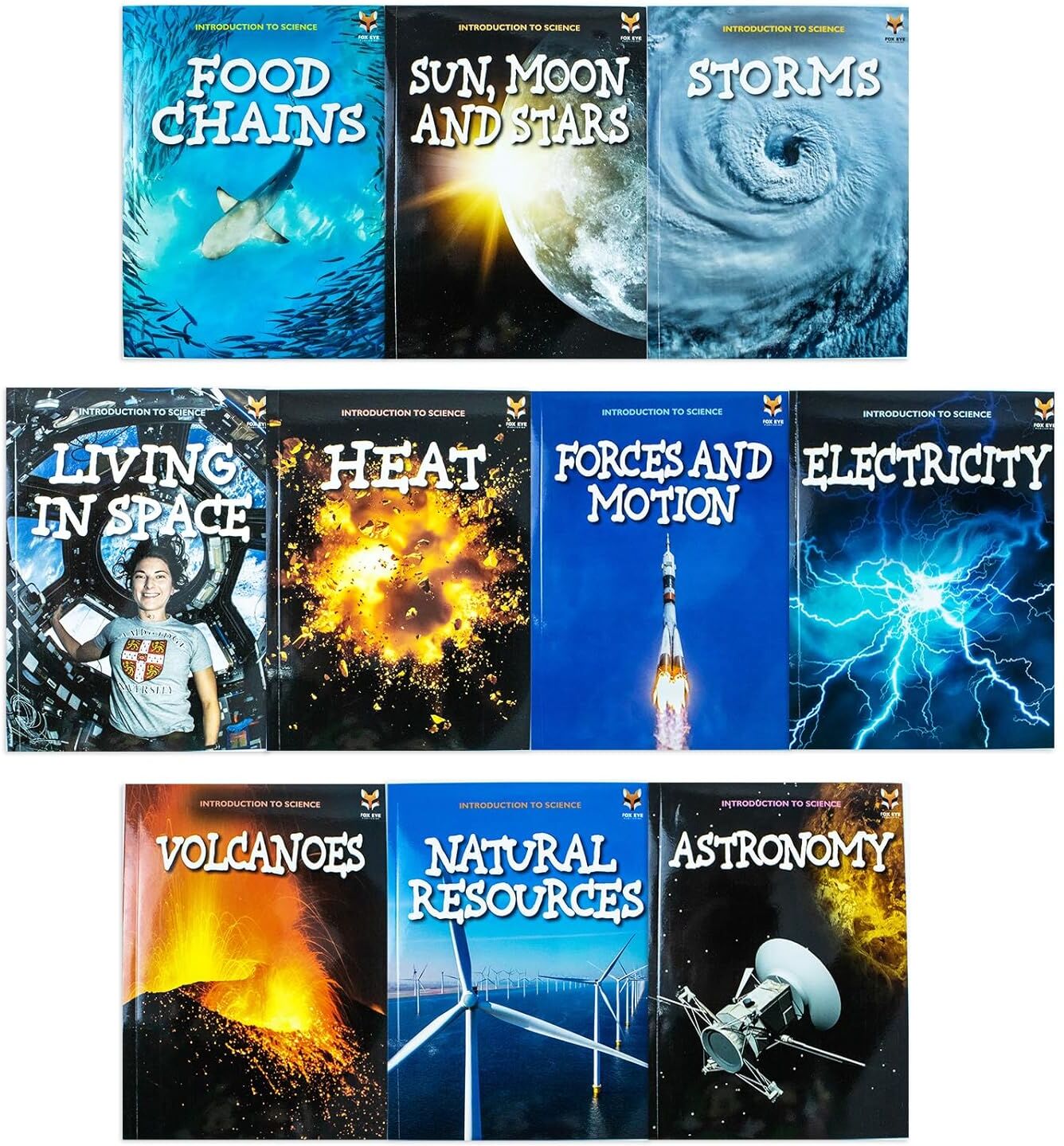
Fox Eye Publishing Introduction to Science for Beginners Series 1 – 10 Books Collection Set – Educational Science CollectionThe 'Introduction to Science Series 1' comprises a comprehensive 10-book set designed to introduce readers to various captivating realms of scientific exploration. Each book within this series delves into a specific area of scientific study, offering an accessible and engaging overview. Introduction to Astronomy: How do people study the stars, planets and other objects in space? Find out the answer to this question and many more inside. Introduction to Electricity: What is electricity and how do we use it? Find out about the amazing power of electricity inside. Introduction to Living in Space: What is it like to live in space? Where do you sleep, what do you eat and how do you work? Find out about the wonders of living in space inside. Introduction to Food Chains: What are food chains and why do we need them? Find out about the amazing world of food chains inside. Introduction to Forces and Motion: What are forces and how do we use them? Find out about the amazing world of forces inside. Introduction to Heat: What is heat and how do we use it? Find out about the amazing power of heat inside. Introduction to Storms: What causes Earth’s fierce storms? Learn the answer to this question and many others inside. Introduction to Sun, Moon and Stars: How are stars created and how did we land on the Moon? Find out about the wonders of our universe inside. Introduction to Volcanoes: Volcanoes can cause terrible destruction, but can also be incredibly useful. Find out more about them inside. Introduction to Natural Resources: What are natural resources and why do we need them? Find out about our amazing world of natural resources inside. This series offers a gateway to scientific knowledge, catering to both beginners and enthusiasts alike, inviting readers on an educational journey through the wonders of our natural world and beyond.9,95 £*Shipping: 2,99 £Secure redirect to the provider
-
Usborne Beginners Nature & Science Collection 20 Books Set - Ages 4-10 - Paperback Usborne Publishing LtdTitles in This Set: Usborne Beginners Nature 10 Books: 1. Ants 2. Bees & Wasps 3. Bugs 4. Spiders 5. Tadpoles and Frogs 6. Caterpillars and Butterflies 7. How Flowers Grow 8. Trees 9. Rainforest 10. Reptiles Usborne Beginners Science 10 Books: 1. Earthquakes & Tsunamis 2. Sun Moon and Stars 3. Living in Space 4. Storms and Hurricanes 5. Volcanoes 6. Astronomy 7. The Solar System 8. Your Body 9. Planet Earth 10. Weather Description : Usborne Beginners Nature 10 Books Ants Where do ants live? What do they eat? How much weight can they carry? Little children can find out the answers to these questions and much more in this simple introduction to the world of ants. Bees & Wasps What do bees and wasps eat? What type of nests do they make? How do bees make honey? Find out the answers and lots more in this intriguing introduction to the fascinating world of bees and wasps. Bugs ''There are all kinds of different bugs. Some can jump up high. Other bugs have lots of legs.” Bugs is part of an exciting reading series for young children, with lots of pictures and very simple text. Spiders “Spiders have eight legs. Most of them have eight eyes, but some of them can’t see very well.” Learn all about spiders in this great book for children learning to read by themselves. Tadpoles and Frogs From egg to frog, find out about the entire life cycle of a frog in this easy-to-read fully illustrated book for young learners ages 4+. It comes complete with weblinks so you can see the process for yourself. Caterpillars and Butterflies A beautifully illustrated introduction to the life of butterflies and caterpillars, with easy to read text for beginner readers. The life cycle of a butterfly is shown with stunning photographs and illustrations, and there are links to carefully selected websites with videos that show butterflies emerging from their pupae. How Flowers Grow How do flowers grow in dry deserts? How do animals help to spread seeds? Which flower smells like rotting meat? Find out in this great book for young readers ages four and up. Trees How do trees use their leaves to make food? Why do they grow flowers and fruit? Which animals live inside a tree trunk and build nests in its branches? How can we help to protect trees? This book has all the answers and much more, along with photographs, step-by-step illustrations, simple text and links to websites with video clips and activities. Rainforests Learn all about the rainforest in this fantastic easy-to-read book for children 4+ beginning to strike out on their own. From towering trees to rainforest rivers, this fully-illustrated book also features links to carefully selected websites. Reptiles Learn all about the lizard world in this fully-illustrated guide, the latest in the Usborne Beginners series. From scaly skin to tongue tricks, this book for readers beginning to read on their own comes with carefully selected weblinks so you can see them in action. Usborne Beginners Science 10 Books: Earthquakes & Tsunamis...29,99 £*Shipping: 2,99 £Secure redirect to the provider
-
What is the difference between applied computer science and computer science?
Computer science is a broad field that encompasses the study of algorithms, data structures, programming languages, and the theoretical foundations of computing. It focuses on the principles and theories behind computing systems. On the other hand, applied computer science is the practical application of computer science principles to solve real-world problems. It involves using the knowledge and skills gained from computer science to develop software, design systems, and create solutions for specific applications in various industries. Applied computer science often involves a more hands-on, practical approach to using computer science concepts in real-world scenarios. **
-
Is computer science or engineering computer science, where is math harder?
Computer science and engineering both require a strong foundation in math, but the level of difficulty may vary depending on the specific focus of the program. In computer science, the math requirements often include discrete mathematics, algorithms, and probability theory, which can be challenging for some students. On the other hand, engineering computer science may involve more applied mathematics, such as calculus, differential equations, and linear algebra, which can also be quite demanding. Ultimately, the level of difficulty in math will depend on the individual's strengths and interests in the specific areas of computer science or engineering. **
-
What is the difference between specialized computer science and computer science?
Specialized computer science refers to a focused area within the broader field of computer science, such as artificial intelligence, cybersecurity, or data science. It involves in-depth study and expertise in a specific aspect of computer science. On the other hand, computer science encompasses a wide range of topics including programming, algorithms, software development, and computer systems. It provides a comprehensive understanding of the principles and theories that underpin computing technology. In summary, specialized computer science delves into a specific area of expertise within the broader field of computer science. **
-
'Computer Science or Biology?'
Choosing between Computer Science and Biology ultimately depends on your interests and career goals. If you enjoy problem-solving, logic, and working with technology, Computer Science may be the better fit for you. On the other hand, if you are passionate about living organisms, the environment, and healthcare, Biology could be the more suitable choice. Consider your strengths, interests, and long-term career aspirations to make an informed decision between the two fields. **
* All prices are inclusive of VAT and, if applicable, plus shipping costs. The offer information is based on the details provided by the respective shop and is updated through automated processes. Real-time updates do not occur, so deviations can occur in individual cases. ** Note: Parts of this content were created by AI.